
A sports career doesn’t always begin on the field. From sports analytics and coaching to fitness, media, management, and rehabilitation, the industry needs professionals with skills beyond playing.
Online education is making these career paths more accessible, allowing students and athletes to learn flexibly while building qualifications for the sports industry.
This article breaks down exactly how that is happening, what careers are opening up, who stands to benefit the most, and how to get started.
Sports Careers Go Far Beyond Playing
When people picture a sports career, they usually picture the person on the field. That is only one part of the industry.
A professional team may need people to analyse match statistics, manage sponsorships, create social media content, organise travel, run events, monitor player fitness and handle business operations.
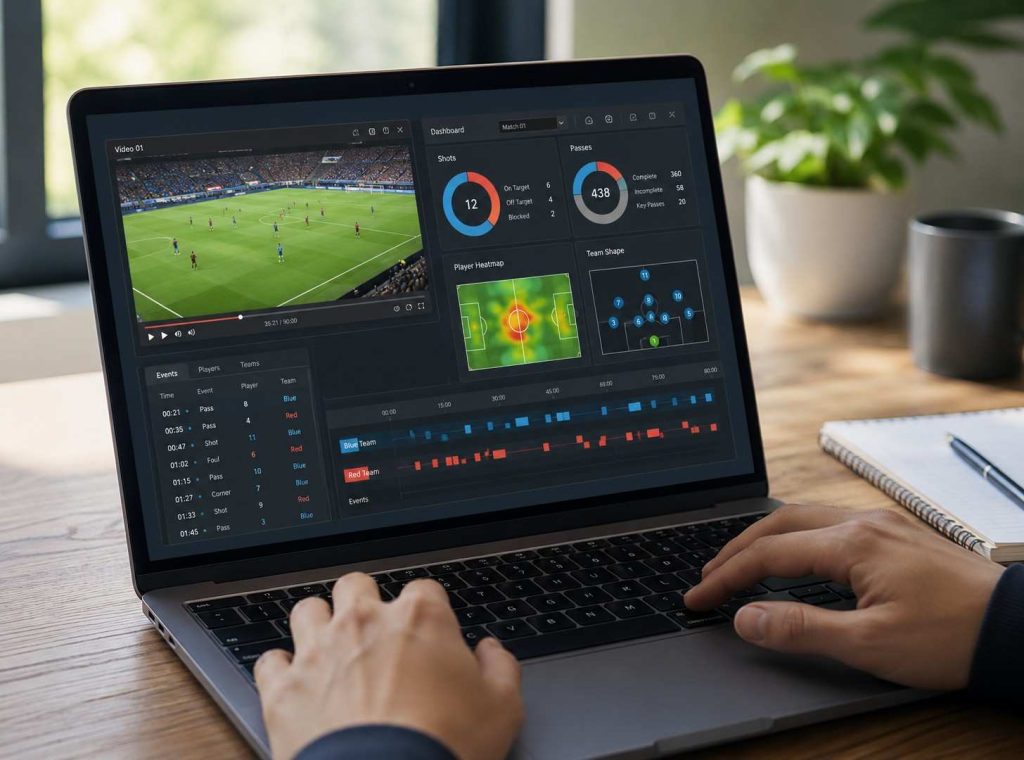
There’s also a growing technology side to sport. Teams and athletes now use performance data, video analysis, wearable devices and other digital tools to understand what is happening during training and competition.
The global sports industry is estimated to be worth $521.74 billion in 2026. At the same time, the sports technology market is expected to grow from $32.36 billion in 2025 to more than $200 billion by 2034.
That growth is likely to create opportunities for people with skills that were not traditionally associated with sports.
Source: The Business Research Company, Fortune Business Insights
The Fastest-Growing Sports Careers Right Now
If you are interested in a career in sports but don’t want to become an athlete, there are many other paths to explore.
- Sports analytics and data science: Teams use data to pick players, plan training, and shape game strategy. It is one of the fastest-growing areas in sports technology.
- Sports marketing and digital media: Teams need people to manage social media, run campaigns, study fan behaviour, and work with sponsors.
- Sports management and event operations: Leagues and tournament organisers need managers to plan events and keep operations running smoothly.
- Sports science and fitness: Roles in training, injury recovery, nutrition, and performance tracking are in demand across both professional sports and fitness industries.
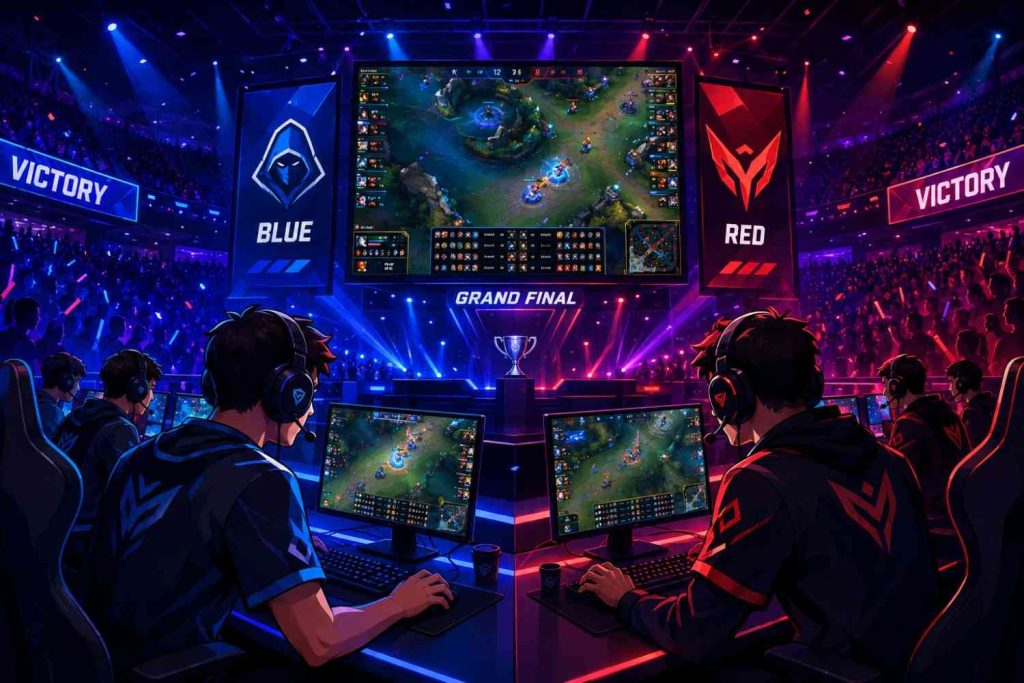
- eSports: Competitive gaming is now a major industry. It is projected that the eSports education market could reach $2.9 billion by 2035.
You don’t need to be a professional athlete for any of these careers. You just need the right skills, many of which can be learned online.
Source: Market.us
The professionalization of Indian football has created a surge in demand for qualified coaches, analysts, physios, and marketing professionals with formal certifications and online diplomas. The Indian Super League now features clubs with dedicated performance analysis departments, sports science teams, and digital marketing units, all of which actively recruit candidates who have upskilled through online courses and AIFF-approved programmes. This growing overlap between online education and sports employment is making it easier than ever for aspiring professionals to break into Indian football without relying solely on traditional career pathways.
Why Online Learning Works in Sports
Traditional university schedules can be difficult for athletes to manage.
Training may take place early in the morning. Competitions can mean travelling for days or weeks. There may also be recovery sessions, team meetings and other commitments.
Online study gives athletes more room to work around that schedule.
A recorded lecture can be watched after training. Coursework can be completed during travel. Some programmes also offer flexible deadlines or remote assessments.
That flexibility is useful for working professionals too. Someone already employed in finance, technology, marketing or another field can start learning about sports without immediately leaving their current career.
Online education also removes some geographical barriers. A student doesn’t necessarily have to live close to a university offering a particular programme.
That said, flexibility is only helpful if the student actually keeps up with the work. Online learning still requires planning and self-discipline.
What You Can Study Online to Build Your Sports Career
There’s no single course that leads to a sports career. The right choice depends on the job you want.
1. Full degree
Several universities offer online programmes connected to sports and related subjects.
| Degree | What You Learn | Who It Suits |
|---|---|---|
| MBA in Sports | Business, sponsorship, sports management | Working professionals |
| B.Sc. Sports Management | Events, teams, marketing | School leavers |
| B.Sc. Sports Science | Fitness, anatomy, rehab | Coaches, trainers |
| M.Sc. Sports Data Science | Stats, machine learning, analytics | Analysts, developers |
The University of Florida also offers online programmes for athletes. Brandon Spikes, a former NFL player, completed his degree there while managing family and mentoring work.
2. Short Courses
You can also take short online courses in sports analytics, coaching, nutrition, or marketing. Most take a few weeks or months and are easy to fit around work or training.
3. Free Options
Platforms like Coursera, edX, YouTube, and podcasts let you learn for free. They are good for exploring topics, but paid or certified courses usually carry more value for jobs.
Athletes Who Built Second Careers Through Education
Theory is useful, but real examples show what is possible.
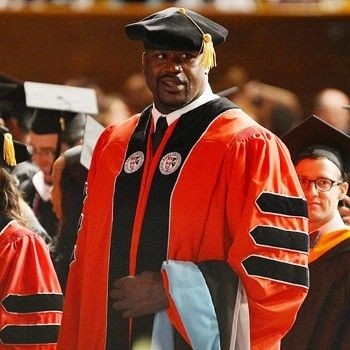
- Shaquille O’Neal earned a Doctor of Education from Barry University after retiring from the NBA. He later built careers in broadcasting, business, and investing.
- Venus Williams earned a bachelor’s degree in business administration from Indiana University while playing professional tennis. She graduated in 2015.
- Brandon Spikes, a former NFL player and two-time college football national champion, earned his bachelor’s degree through UF Online after his playing career. He studied while also raising his child and working as a mentor.
- PV Sindhu completed her MBA while competing in badminton at the highest level. She has spoken openly about how hard it was to balance her studies with training and competition, while also encouraging other athletes to continue their education.
The common point in all these stories is that they did not wait until their sports careers were over to think about the future. Education gave them a way to prepare for life beyond sport while continuing to build their careers.
Why Athletes Can’t Afford to Skip Education
For many athletes, retiring from sport doesn’t mean retiring from work. They could have another 40 years or more of working life ahead of them. Sports earnings may also not be enough to support them for the rest of their lives.
Injuries can make things even more uncertain. A serious injury can force an athlete to stop playing much earlier than expected.

An athlete who focuses only on sport may find the transition to a new career difficult. Someone who has also built skills and qualifications has more options when their playing days end.
That is why education shouldn’t be something athletes think about only after retirement. Online learning gives them a way to study, build new skills, and prepare for their next career while they are still competing.
How Technology Is Shaping Sports Careers
Technology is changing the way sports teams train and compete.
Sports clubs now use AI tools to track player movements, study performance, spot possible injury risks, and improve training plans. Wearable devices also collect data on things such as heart rate, sleep, running speed, and muscle activity.
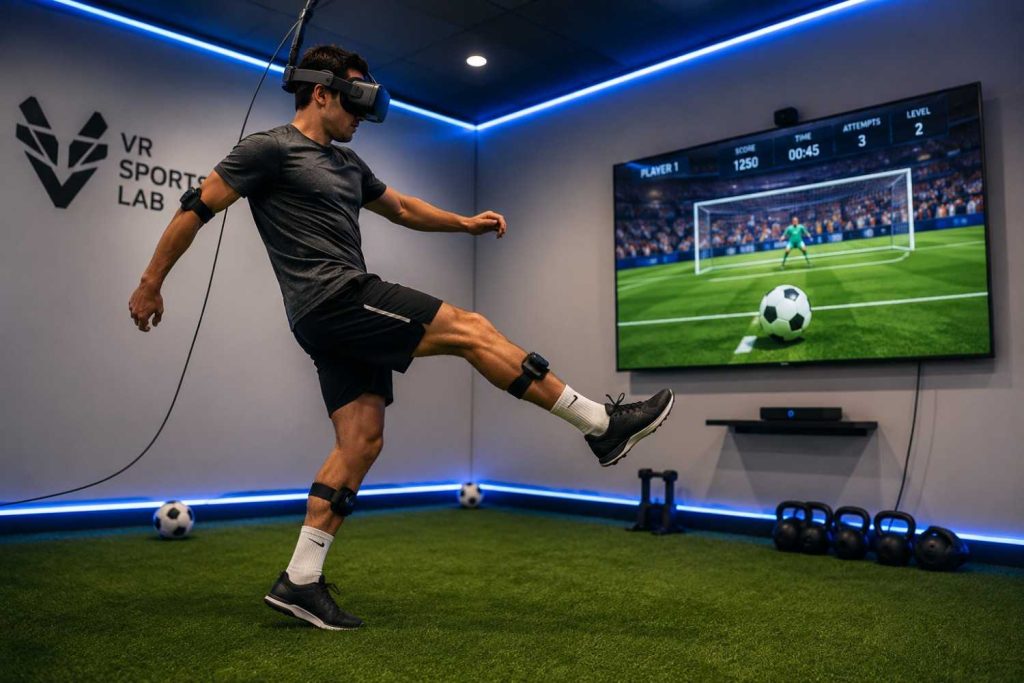
But collecting data is only the first step. Teams need people who can understand that data and turn it into useful information for coaches and athletes.
According to some reports, analytics and statistics are among the fastest-growing areas of sports technology.
This is creating demand for new skills. Sports professionals may need to understand data analysis, data visualisation, machine learning, and digital fan engagement.
The Limits of Online Learning in Sports
Online learning offers flexibility, but it can’t replace hands-on experience, practical training, and real-world connections in sports.
- Some Skills Need Hands-On Practice: Online education builds knowledge, but careers like physiotherapy and sports rehabilitation also require hands-on, supervised experience.
- Not All Online Qualifications Are the Same: A recognised online degree can carry real value, while short courses from unknown providers may not. Always check whether the qualification is recognised in your target country and sports industry.
- You Still Need Self-Discipline: Online learning offers flexibility, but staying on track requires discipline. Creating a study schedule and setting goals can help you balance education with training.
- Access Can Be a Challenge: Online learning requires reliable internet and a suitable device, which may not be accessible to everyone. The best approach is to combine online study with recognised qualifications and practical sports experience.
A Simple Roadmap to a Sports Career
If you want to start building a career in sports, you don’t need to figure everything out at once. Follow these simple steps.
1. Find what interests you
Think about what you actually want to do. Do you want to play, coach, manage teams, work with data, handle marketing, or build sports technology? Your answer will help you choose the right course and career path.
2. Start small
Try a free or low-cost introductory course before spending money on a degree. Platforms such as Coursera and edX offer ways to access many courses at no cost. Use these courses to see whether a subject is right for you.
3. Check the qualification
Before paying for a course, find out whether the qualification is recognised by employers or professional organisations in your chosen field. A certificate from an unknown provider may not have much value when you apply for jobs.
4. Study alongside your current career
You don’t have to stop playing sports or quit your job to study. Online learning lets athletes build qualifications while they compete. It also lets working professionals learn new skills without leaving their current jobs.
Start when you can rather than waiting for the perfect time.
5. Meet people in the industry
Learning isn’t only about getting a certificate. Connect with people who already work in sports through online communities, LinkedIn groups, courses, and professional forums.
These connections can help you learn about job opportunities, understand the industry, and meet people who may help you later in your career.
Read More:
- How Online Course Platforms Are Transforming Learning?
- Top 5 Online Courses For Mastering Emerging Technologies
Conclusion: Online Learning Can Open Doors to Rewarding Sports Careers
Online learning can be a valuable pathway into a sports career, especially for athletes and professionals who need flexibility. It can build knowledge, develop useful skills, and open access to recognised qualifications.
However, online study works best when combined with practical experience, industry connections, and continuous learning.
By choosing credible programmes and gaining real-world experience, you can prepare for a lasting and rewarding career in the sports industry.
FAQs
Yes. Sports organisations employ people in analytics, marketing, event management, media, business, technology, fitness and many other areas.
It can be, particularly when training and competition make a traditional university timetable difficult to follow. Recorded classes and flexible schedules can make studying easier to fit around sport.
It depends on the job you want. Sports management can be useful for business and event roles. Data science can help with analytics careers. Sports science is relevant to training and performance, while marketing and digital media can lead to work in fan engagement, content, and sponsorship.
Some are, and some aren’t. Check the university’s accreditation and find out whether the qualification meets the requirements of employers or professional bodies in the country where you want to work.
Yes. Coursera, edX, YouTube and podcasts all have free educational material. Free resources are a good way to explore a subject, although they may not provide a recognised qualification.
In many cases, yes. Practical experience can make your knowledge much more useful to employers. For areas such as physiotherapy and rehabilitation, supervised practical training may also be a formal requirement.
